
Why Cleaning Affects the Air
If you walk into your office and the air feels heavy, smells stale or sets off sneezing, something in the building is putting particles or odours into it. Much of what makes indoor air poor settles on surfaces first and is stirred back up later, which is why the way a building is cleaned has a direct effect on the air people breathe in it.
At a glance:
- Know what is making the air poor
- Dust with microfibre, top to bottom
- Vacuum with HEPA filtration
- Deal with carpets, the biggest reservoir
- Choose low-residue products
- Keep the HVAC and filters maintained
- Plants and air quality
What Makes Indoor Air Poor
- Dust. You rarely see it in the air, but it collects on every surface and is breathed in whenever it is disturbed.
- Allergens. Pollen, dust mites and the pet dander staff carry in on their clothes settle into carpets and soft furnishings.
- Mould. Damp areas, kitchens and spaces with moisture problems grow it, and it irritates eyes and lungs.
- Odours. Usually a sign of something not being cleaned: drains, bins, carpets, fridges. Some businesses also produce them as part of their work.
- Humidity. Too much makes the air feel heavy and encourages mould; too little in a Toronto winter dries out eyes, throats and sinuses.
- Dirt and debris. In warehouses and industrial spaces, dirt from production and loading areas is carried through the air into offices.
Dust With Microfibre, Top to Bottom
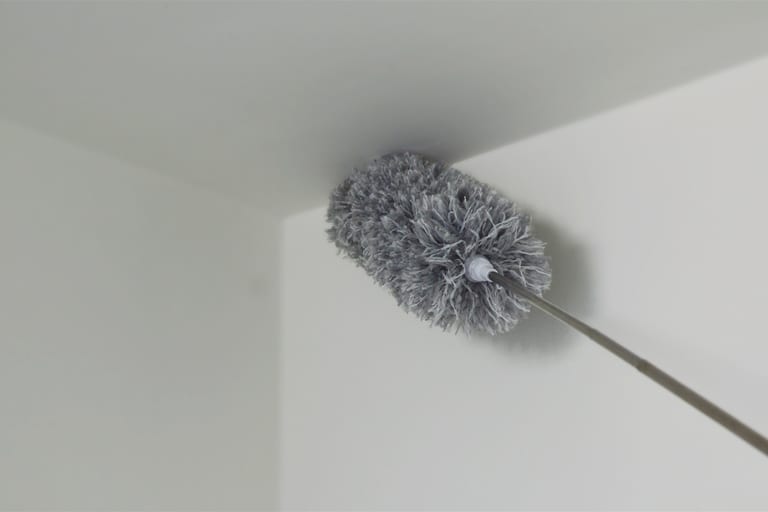
Dusting with a feather duster or a dry cotton cloth moves dust into the air rather than removing it. Microfibre cloths trap it. Work from the top of the room down (high ledges, light fixtures and vents first, then desks, then floors) so anything that falls is picked up last. Colour-coding cloths by area also keeps dirt from washrooms out of kitchens and offices. Our guide to dusting an office building goes through it step by step.
Vacuum With HEPA Filtration
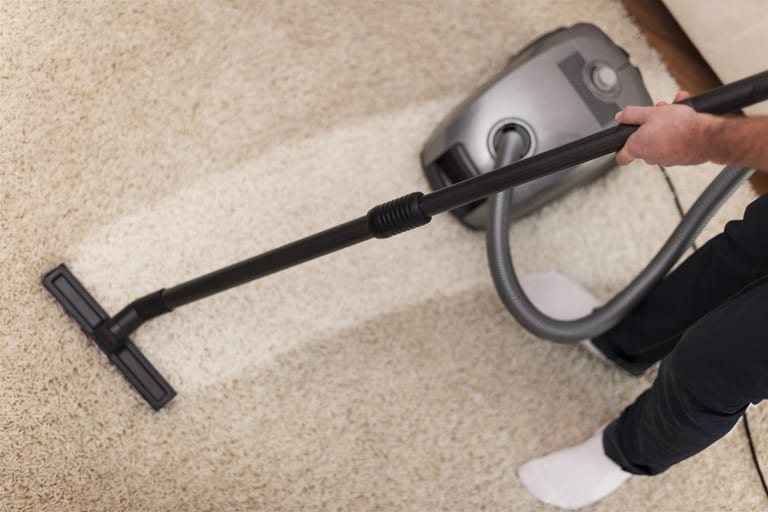
Many vacuums blow the finest particles straight back out of the exhaust. A sealed vacuum with a HEPA filter holds on to dust, pollen and mould spores instead. Vacuum after dusting, not before, so it collects what the cloths missed.
Deal With Carpets
Carpet fibres trap dust, pollen and dander, and every footstep releases some of it again. Regular vacuuming keeps the surface down; periodic hot-water extraction removes what has worked into the pile. If staff have allergies, ask them which, and tell your cleaning company: it changes what they focus on.
Choose Low-Residue Products
Some cleaning products leave fragrance and residue that are themselves irritants. Products chosen with indoor air in mind, used at the right dilution, clean without adding to the problem. Ask your cleaner which they use; ours are listed on our green clean products page.
Keep the HVAC Maintained
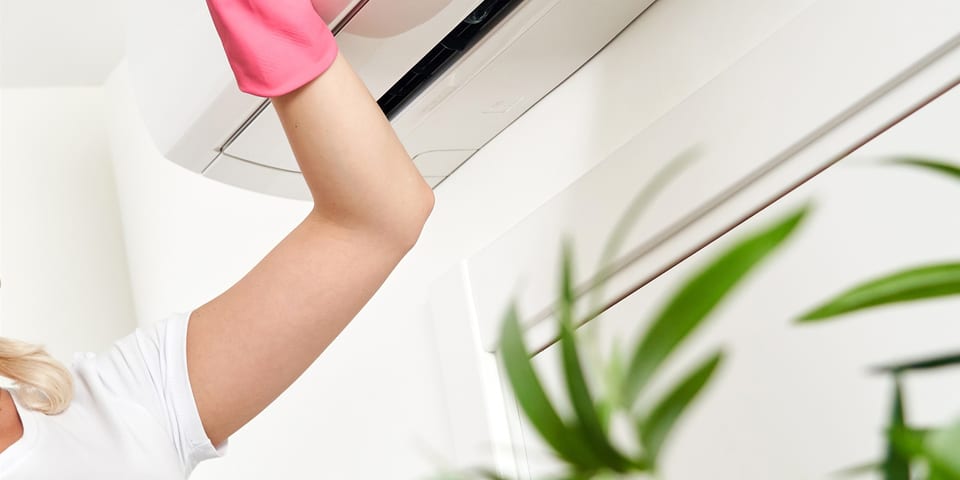
A dirty HVAC system recirculates dust through the whole building. Replace filters on schedule, have vents and return grilles cleaned as part of high dusting, and have ducts inspected and cleaned by an HVAC contractor when they need it. A portable air purifier with a HEPA filter can help in a room where people with allergies sit.
Plants and Air Quality
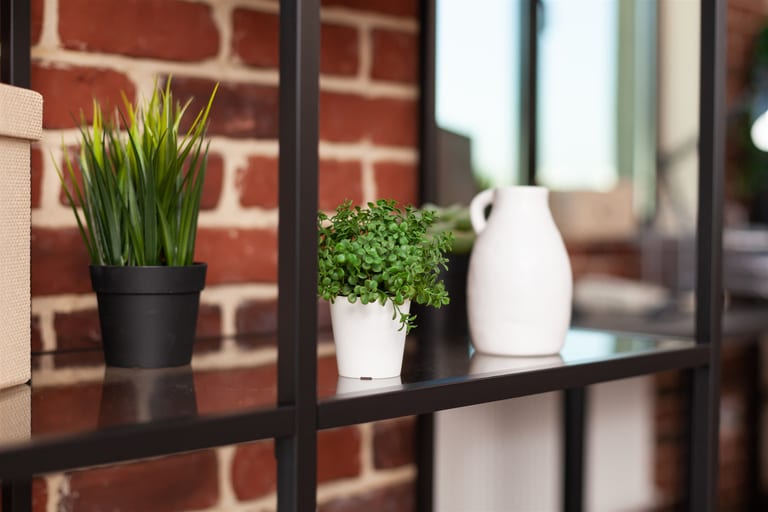
Office plants make a workplace pleasanter, but a few pots do not stand in for ventilation, filters or cleaning, and a neglected plant works against the air: overwatered soil and a saucer of standing water grow mould, and dusty leaves are one more surface. A few habits keep them on the right side of it.
- Choose hardy plants. The ZZ plant, the snake plant and Sedum morganianum tolerate office light and irregular watering.
- Give each one a spot and leave it there. Plants moved around keep wilting as they readjust; pick a place with the light the plant needs and let it settle.
- Water lightly and empty the saucer. Most office plants die from too much water, not too little, and the standing water is what breeds mould and gnats.
- Wipe the leaves. Dust settles on leaves as it does on a shelf. A damp microfibre cloth once a month keeps them clean.
- Put someone’s name on it. A plant that belongs to one person gets watered; a plant that belongs to everyone does not. If you would rather not, say so at the walkthrough: watering and leaf-dusting can be written into the cleaning scope.
Why Bring in Professionals
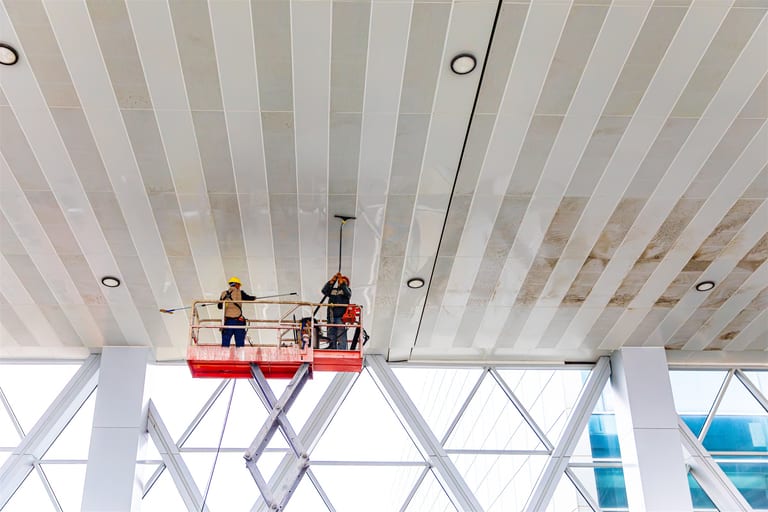
You can do much of this yourself, but a professional crew brings the equipment (HEPA backpack vacuums, extraction machines, lifts for high dusting) and works from a schedule, so the dusting, vacuuming and carpet work all happen in the right order, every time.
Touch points are a separate job from the air: see disinfection cleaning for how they are handled.
Contact us to talk about the air in your building.
Day to day, the dusting and vacuuming that keep the air clearer are part of Evergreen’s office cleaning; high dusting and carpet extraction come under building maintenance and floor care.