
How to Prepare for a Commercial Cleaning Walkthrough With Your Team
Bring a current floor plan or a room list, your existing task schedule and the names of the people who can confirm access and responsibilities. If you’re arranging recurring office cleaning, mark each floor or suite with the areas the crew should clean, the areas another team covers and any rooms that need special permission.
Use room names people can find on the doors. Add floor finishes, washroom counts and the times each area is busiest. If a plan shows 8,000 sq ft of leased space, mark the areas that actually need service and flag any measurements you want the provider to check on site.
Have the person who will manage the cleaning lead the tour. Invite building management for common areas or after-hours rules, security for access questions, and an in-house lead for tasks staff already do. If someone can’t attend, arrange a call for their part of the visit or ask them to confirm their answers in writing.
Commercial Cleaning Site Visit Checklist
Use the checklist to match each item you bring to the person who can verify it. Mark open items as pending and name who will confirm them before the written scope is final.
| What to prepare | Who can confirm it | Why it affects the scope |
|---|---|---|
| Floor plan with cleanable rooms and suite boundaries | Facility or property manager | Lists the areas the crew will service. |
| Floor types, mats and worn or marked areas | Facility lead or building operator | Separates routine cleaning, floor care and existing damage. |
| Washroom fixtures, kitchen surfaces and dispensers | Office manager or in-house lead | Shows what to clean, refill and check. |
| Busy entrances, work hours and quiet periods | Reception or operations lead | Sets workable service windows and priorities. |
| Restricted rooms, after-hours route and access rules | Security or room owner | Identifies exclusions, escorts and entry conditions. |
| Supply closet, service sink and waste route | Building operator or site lead | Shows where to store supplies and take waste. |
| Landlord and in-house task lists | Property manager and in-house lead | Assigns work at shared doors, corridors and facilities. |
What to Show Room by Room
Start at the entrance the crew would use, then follow the route through the site to the waste room and exit. Walk each floor in order so shared spaces, locked doors and areas behind reception all come up during the visit.
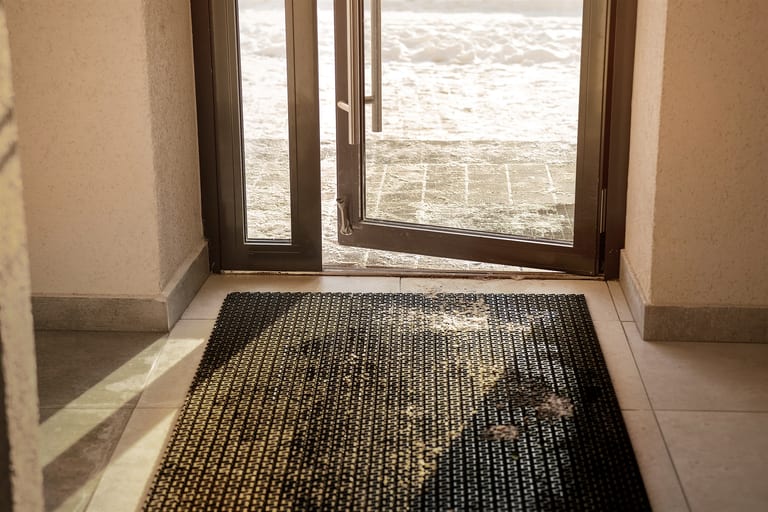
- Entrances and reception. Point out the busiest doors, mats, interior glass and the line between the shared lobby and the tenant entrance. Note where wet boots leave water or salt, who handles mat service and who checks the area during business hours.
- Work areas and meeting rooms. Show carpet, tile and other hard flooring where they meet. Identify cleared desks and tables, equipment the crew should leave alone and any rooms that need to be ready at opening. Flag carpet stains, worn finishes and areas that may need periodic floor care.
- Washrooms and kitchens. Count the washrooms and show the fixtures, bins and dispensers in each. In the kitchen, point out counters, sinks and shared tables. Confirm which appliance interiors and staff dishes stay with your team, and who buys and refills soap, paper and liners.
- Restricted and support areas. Show which rooms need an escort or an approved service window. Point out the supply closet, service sink, waste and recycling room, and any service lift. Confirm what can stay on site, who has access to it and where the crew takes collected waste. If your building has a product policy, compare it with Evergreen’s cleaning product information before the visit.
Ask the building contact to show where cleaning products could be stored. The Canadian Centre for Occupational Health and Safety’s guidance on working safely with cleaning products, revised in 2024, advises checking labels or safety data sheets and following the manufacturer’s storage instructions.
A Two-Floor Toronto Office Walkthrough
In this illustrative example, a Toronto tenant uses suites on two floors. The office manager brings a plan showing 8,000 sq ft of leased space and marks 6,800 sq ft for regular service after walking the suites. The remaining 1,200 sq ft covers the locked IT room, a storage room and a project room staff maintain. Building management cleans the shared ground-floor lobby and lift lobbies. The tenant needs cleaning inside both suites, including carpeted work areas, two washrooms and one tiled kitchen.
Inside the second-floor suite, the group finds a mat between the tenant’s glass door and reception. The building operator confirms the landlord’s cleaner stops at the public side of the door. The tenant’s in-house team assumed the mat was covered. The walkthrough exposes two missed tasks inside the suite, vacuuming the mat and wiping the inside face of the door.
The manager records that boundary on the plan and copies it into the commercial cleaning site visit checklist. The note for the proposal reads “Level 2 suite entry, inside the glass door. Tenant cleaner vacuums entry mat and wipes inside glass on each weekday evening visit. Building management covers the lift lobby and public side of the door.” The manager also marks the locked IT room as excluded and records that staff handle dishes and fridge interiors.

What to Confirm Before the Provider Leaves
Read back the included areas, exclusions, service window and any task still awaiting an owner. Ask the provider to capture these decisions in the proposal with room names, visit days and the frequency of periodic tasks. Confirm the earliest entry and latest lock-up time with the person who controls after-hours access.
- Check the cleaning boundary. Match the proposal notes to the marked plan and name who handles each shared area. Verify the cleanable rooms before agreeing to a figure based on leased square footage.
- Separate supplies from restocking. Name who orders consumables, where they’re kept, who refills them and whom the crew tells when stock runs low.
- Assign open items and a due date. If a door was locked or a room was unavailable, record who will arrange a follow-up and when. Keep alarm codes and credentials in the building’s approved access system.
- Agree on what comes back. Ask when the written scope will arrive, who should receive it and whether any startup or periodic work will appear as a separate item.
Common mistakes include listing “all floors” without naming rooms, overlooking who handles an inside doorway, and assuming the crew can reach the waste room at the end of the shift. Use your commercial cleaning site visit checklist to catch those assumptions while the right people are still on site.
How to Prepare for a Commercial Cleaning Walkthrough With Evergreen
Knowing how to prepare for a commercial cleaning walkthrough starts with a marked plan, a room-by-room tour and a read-back of who does what. Keep the notes beside the written proposal so you can check that the schedule covers the work you discussed.
Evergreen Office Cleaning provides a free on-site walkthrough and a written scope showing what we clean, how often and when. For a Toronto or GTA property, call +1 (416) 803-4880 or request a quote and free walkthrough. An account executive replies within 2 hours during office hours, Mon–Fri, 7 a.m.–6 p.m.
Frequently Asked Questions
What should I bring if I don't have a floor plan?
Bring a room list or sketch showing the entrance, suites, washrooms, kitchen and restricted areas. Use the names posted at the site so the provider can match them to the written scope. Mark shared spaces and ask the provider to verify any missing measurements while you walk through.
Does the landlord need to attend the cleaning walkthrough?
Invite building management when you share a lobby, washroom, corridor or service entrance, or when they control after-hours access. They can join for just those parts of the tour. If they can't attend, send them your marked plan and ask for written confirmation of which areas and tasks their team covers.
How do I show a room the cleaner may need an escort to enter?
Show the doorway and ask the room owner to explain what can be cleaned and when an escort can attend. Record the room as escorted access or excluded, depending on what you agree. If the provider can't inspect it that day, set a follow-up before you approve any work for that room.
Should I clear desks and kitchens before the visit?
Show the space as it normally looks at the proposed service time. Point out which desks are usually clear, which surfaces hold equipment and what staff clean themselves. Move sensitive papers and displays out of view. Ask how the scope will describe any area the crew should skip when it is occupied or cluttered.
How should I handle tasks already done by staff?
Write down each task your staff handle, where it happens and when they do it. Ask the provider to list it as an in-house responsibility in the proposal. For example, staff might empty the fridge on Fridays while the cleaner wipes kitchen counters and removes waste on weekday evenings.
What should I expect in the written proposal after the visit?
Expect a room-by-room scope that records the tasks, visit days, agreed hours and exclusions. It should identify who supplies and refills consumables and flag items still waiting for confirmation. Compare the proposal with your walkthrough notes and ask the provider to resolve any differences before you agree to the schedule.